Phl Esports gets boost

Alta Sports8 hours ago · 51 views
By Tiffany Dela Cruz
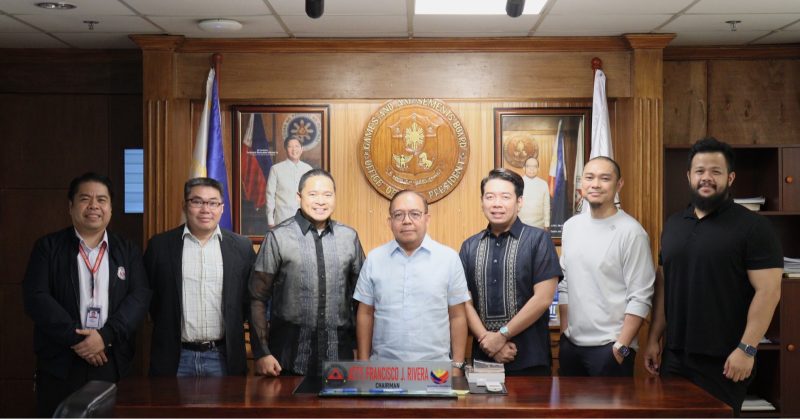
The Games and Amusements Board’s (GAB) decision to exempt foreign Esports players from mandatory drug testing is a clear signal that the Philippines is finally positioning itself to fully re-enter the global Esports hosting circuit.
More than just a regulatory adjustment, it reflects a shift in mindset—treating esports less like a traditional sport burdened by rigid protocols, and more like a fast-moving global entertainment industry.
At its core, the introduction of the Special Esports License (SEL) removes one of the biggest friction points for international organizers: compliance complexity for short-stay tournaments.
In practical terms, this makes the Philippines far more competitive as a host nation, especially against regional rivals like Singapore, Malaysia, and Thailand, which have long streamlined their esports policies.
This matters because esports tournaments are built on speed and mobility. Organizers often move from one country to another in weeks, not months, and any added bureaucratic step can be a deciding factor in choosing a venue.
By simplifying entry requirements for foreign players, the Philippines is essentially lowering the barrier to entry for Tier 1 global events.
The broader implication is clear: the country can now realistically bid for and attract more international esports tournaments again.
The Philippines has done it before, most notably when it hosted The Manila Major in 2016, one of the most iconic Dota 2 tournaments in history.
The event was widely praised for its production, atmosphere, and passionate home crowd, and even years later, players and fans still look back on it as a benchmark for how esports events should be staged.
That legacy matters now more than ever, because it proves the Philippines is not just capable of hosting major esports events—it has already done it at the highest level. With the right policies in place, that same energy and global attention can be brought back to local shores.
If fully maximized, this latest move from GAB could be the first step in restoring that era of international prominence, where the Philippines is once again not just a participant in global esports, but a trusted stage where the world’s biggest tournaments are played.
All comments 9

Haro Clifford
12 minutes agoReply
 0
0Haro Clifford
13 minutes agoReply
0Haro Clifford
14 minutes agoReply
0
Jayson Padero
23 minutes agoReply
0
Ricky Pines
36 minutes agoReply
0
Hvftyu jhggy
2 hours agoReply
0
Asrie Abubakar
4 hours agoReply
0
Johnsen cajeme
4 hours agoReply
0
Yokup27
6 hours agoReply
0No more comments
10
9
8
Share